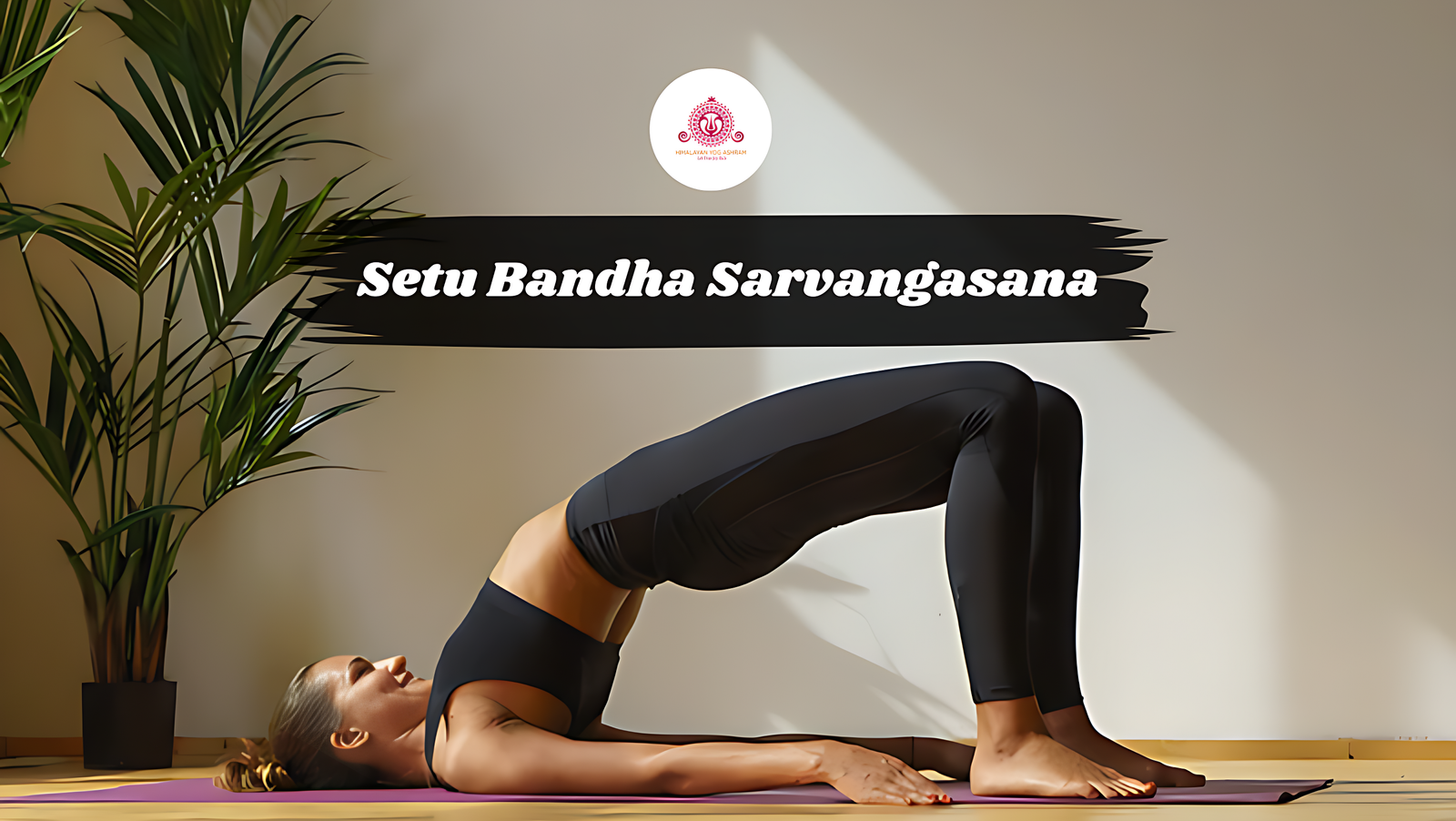
Yoga is an ancient practice originating from India that aims to create a balance between mind and body through a combination of physical postures, breath control, meditation, and relaxation techniques. Rooted in a rich tradition spanning thousands of years, yoga encompasses a diverse range of practices and philosophies designed to promote holistic well-being. To achieve the best results, follow these guidelines:
Yoga Practice in the Morning
Morning is ideal for yoga, especially before breakfast. It energizes you for the day ahead. Practicing yog in the morning can set a positive tone for the rest of the day, energizing both the body and mind. Regular morning practice helps maintain and improve flexibility and muscle tone.
Prepare Mentally and Physically
Cultivate confidence and a strong urge to practice. Mental readiness is key to starting your yoga journey. Preparing mentally and physically for a morning yoga practice can enhance your experience and ensure you get the most out of your session.
Choose a Comfortable Environment
Find a clean, dust-free, quiet, well-ventilated, and calm space for your practice. Choosing a comfortable environment for morning yog practice is crucial for creating a space that fosters relaxation, focus, and mindfulness.
Hydrate and Cleanse
Drink lukewarm water and clean your nostrils before practicing to facilitate better breathing. Hydrating and cleansing before practice can prepare your body for the physical activity and help you feel refreshed and energized.
Wear Comfortable Clothing
Wearing comfortable clothing is essential for a successful and enjoyable morning yoga practice. The right attire allows you to move freely, stay cool, and focus on your practice without distractions. Opt for loose, comfortable clothes like Lycra pants and shirts to allow free movement.
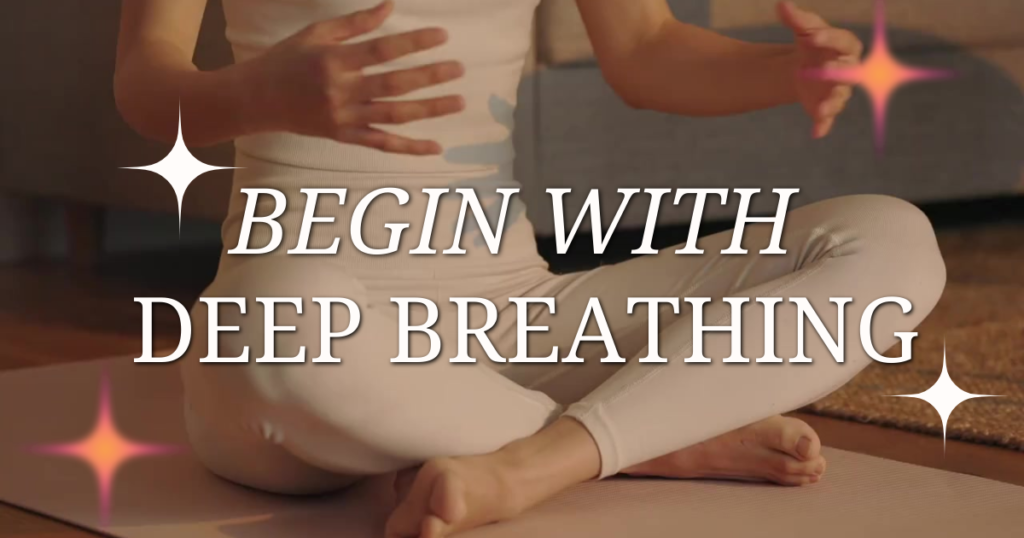
Begin with Deep Breathing
Sit for a few minutes and take deep breaths to center yourself before starting. Beginning your morning yoga practice with deep breathing is an excellent way to center yourself, increase oxygen flow, and prepare your mind and body for the session ahead. Deep breathing can help calm your mind, reduce stress and anxiety, and promote a sense of relaxation and well-being.
Practice Systematically
Start with the easiest poses and gradually progress to prevent injuries and build confidence. Practicing yoga systematically means following a structured approach that ensures a balanced, comprehensive, and mindful experience.
Listen to Your Body
Find your tempo. Stop if you feel fatigued to avoid injury and ensure effective practice. Listening to your body is an essential practice for maintaining overall health and well-being. It involves paying attention to physical and emotional signals and responding to them appropriately.
Stay Relaxed
Practice in a relaxed state. If a pose feels difficult or stressful, stop and consult a professional trainer. Staying relaxed is crucial for maintaining mental and physical health.
Take Pauses
Incorporate short breaks to reduce fatigue and maintain energy levels throughout your session. Taking pauses throughout your day is a powerful way to recharge, refocus, and maintain balance in your life.
Maintain a Balanced Diet
Maintaining a balanced diet is key to supporting overall health and well-being. Eat a diet rich in fruits, nuts, grains, and vegetables every four hours. Reduce meat consumption. Maintaining a balanced diet is essential for promoting overall health, supporting energy levels, and reducing the risk of chronic diseases.

Avoid Extreme Diets
Avoiding extreme diet is crucial for maintaining both physical health and mental well-being. Steer clear of extreme dieting and overeating to support yoga practice and overall health.
Breathe Deeply
Focus on deep breathing during your practice to enhance relaxation and effectiveness. Taking deep breaths is a simple yet effective way to reduce stress, promote relaxation, and improve overall well-being.
Find Comfortable Movements
Finding comfortable movements can help alleviate physical discomfort, reduce tension, and promote relaxation. Choose movements that feel comfortable to avoid strain and achieve better results.
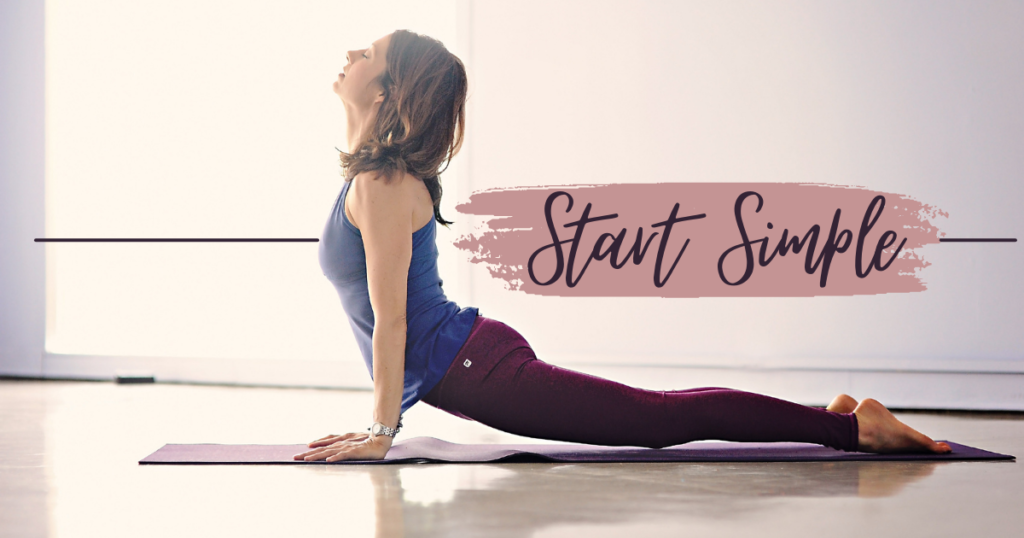
Start Simple
Starting simple is an excellent approach when it comes to incorporating new habits or practices into your routine. Beginners should begin with the simplest poses and follow a graded progression to build a solid foundation. starting with these simple practices, you can gradually incorporate movement and relaxation into your daily routine without feeling overwhelmed.
Conclusion
By following these tips, you can enhance your yoga practice and achieve a harmonious balance between your mind and body. For a more in-depth understanding and to further your skills, consider enrolling in a comprehensive program like the Yoga Teacher Training in Rishikesh. This program is renowned for its rigorous curriculum, which covers everything from advanced asanas and pranayama techniques to the philosophical and historical foundations of yoga.
Rishikesh, often referred to as the “Yoga Capital of the World,” is nestled in the foothills of the Himalayas along the banks of the Ganges River. This sacred city has been a center for yoga and meditation for thousands of years, attracting seekers and practitioners from around the globe. The Yoga Retreat in Rishikesh are typically accredited by organizations such as the Yoga Alliance, ensuring a high standard of education and practice.