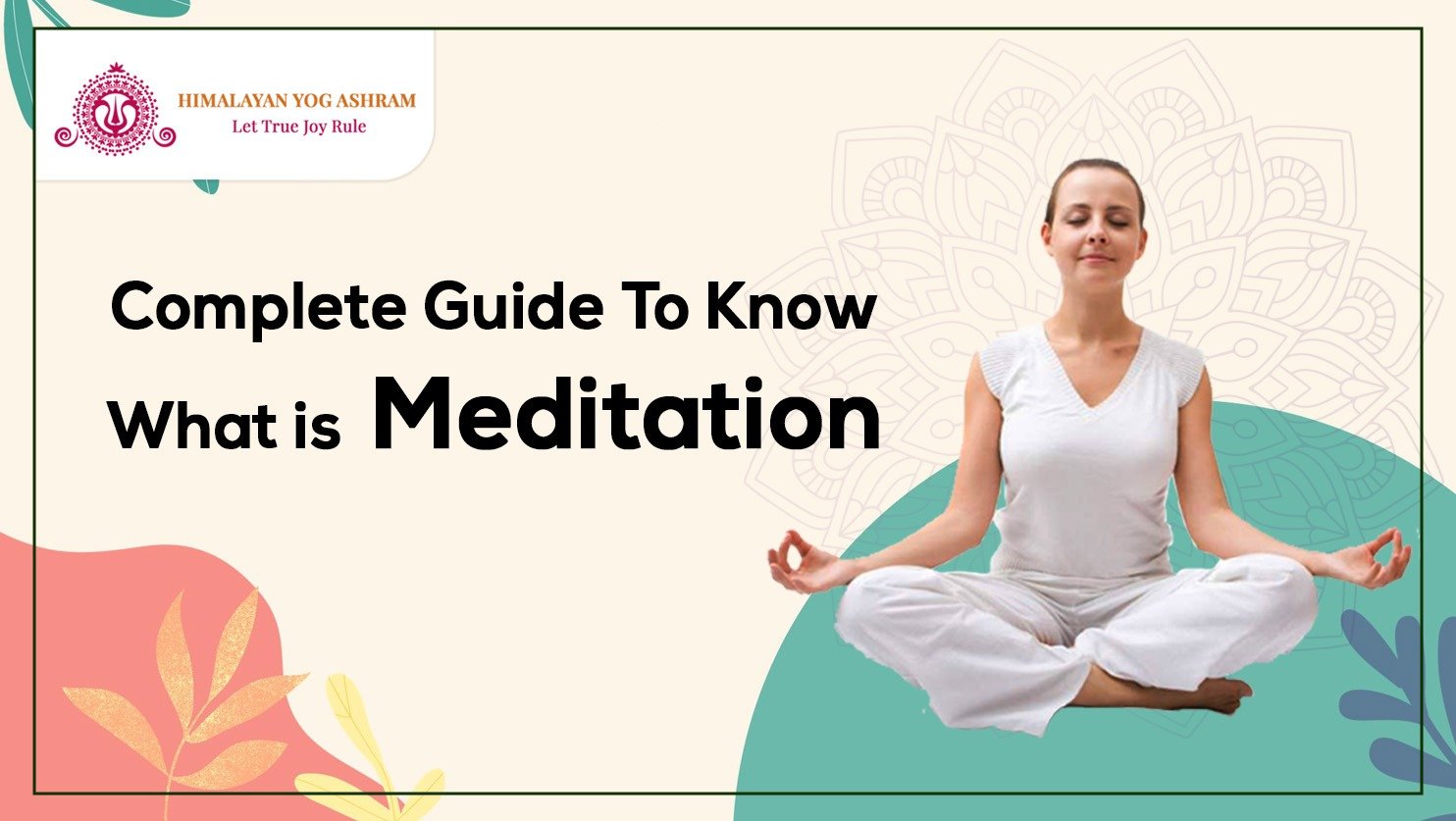
Meditation is a practice where an individual uses a technique – such as mindfulness, or focusing the mind on a particular object, thought, or activity – to train attention and awareness, and achieve a mentally clear and emotionally calm and stable state. It has been practiced since antiquity in numerous religious traditions and beliefs, often as part of the path towards enlightenment and self-realization.
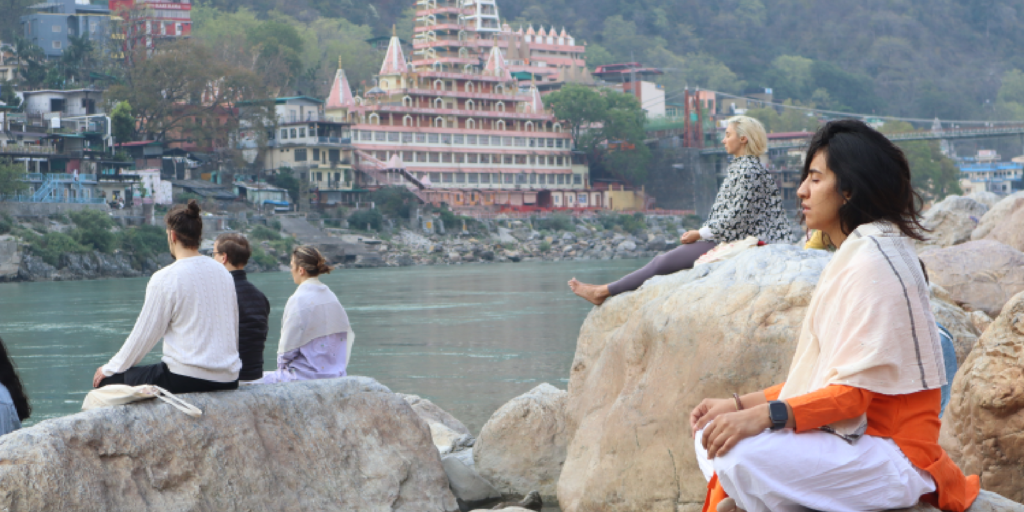
How Does Meditation Work?
How does mediation work? Is a very difficult question to answer? It works much the same way electricity works; it works the same way, the medicines we take, work. The bottom line is that meditation is the process which yields different results for different people. Some people might find meditation very relaxing and distressing, while some of them might find it increasing their concentration. The process and the results of meditation can only be felt and not described, as meditation is a state of attainment, a sense of fulfillment.
1. Focus and Attention
Concentration: Meditation often involves focusing on a single object, thought, or activity, such as breathing, a mantra, or a visual focus point. This concentration helps the mind settle and reduces distractions.
Mindfulness: Practicing mindfulness meditation means paying attention to the present moment without judgment. This enhances awareness of thoughts, feelings, and sensations, fostering a deeper understanding of one’s mental and emotional states.
2. Relaxation Response
Physical Relaxation: Meditation triggers the body’s relaxation response, reducing stress hormones like cortisol and adrenaline. This leads to lower heart rate, blood pressure, and muscle tension.
Mental Calm: As the mind becomes quieter, anxiety and stress decrease. This calm state helps improve mood and overall well-being.
3. Neuroplasticity
Brain Changes: Regular meditation practice can lead to changes in brain structure and function. It can increase grey matter in areas associated with memory, learning, and emotional regulation while decreasing the size of the amygdala, which is responsible for stress and fear responses.
Enhanced Connectivity: Meditation enhances connectivity between different brain regions, improving overall cognitive function and emotional regulation.
4. Self-Awareness and Emotional Regulation
Increased Awareness: By observing thoughts and emotions without attachment, meditators develop greater self-awareness. This helps in recognizing negative patterns and making conscious changes.
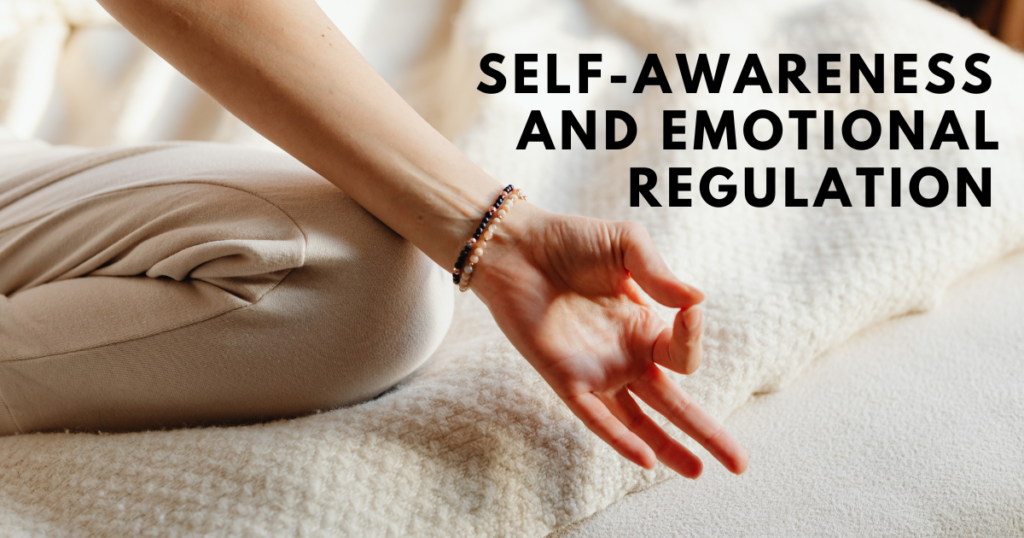
Emotional Balance: Meditation can enhance the ability to manage and respond to emotions, leading to improved emotional stability and resilience.
5. Behavioral Changes
Improved Attention and Focus: Regular meditation improves attention span and the ability to focus on tasks. This is beneficial for productivity and cognitive performance.
Positive Habits: Meditation fosters positive mental states and behaviors, such as compassion, empathy, and patience, by reinforcing neural pathways associated with these qualities.
6. Spiritual Growth
Inner Peace: For many, meditation is a spiritual practice that helps connect with a deeper sense of purpose and inner peace.
Transcendence: Certain forms of meditation aim for transcendent experiences, providing a sense of connection to something greater than oneself.
Getting Started With Meditation
The process of meditation is listed as one of the five principles of yoga. All over the day, the human mind is coaxed to perform under the stressful situations. This makes the mind feel tiresome and at some part of the day you feel tired and feel like relaxing. This is the time when you are in need of meditation. The process of meditation need not necessarily be performed in the morning or in the evening. It can be performed as and when you feel like relaxing. Keep in mind what works for others may not show results to you.
1. Choose a Comfortable Setting
Quiet Space: Find a quiet and comfortable place where you won’t be disturbed. It could be a corner of your room, a garden, or any serene environment.
Comfortable Posture: Sit in a position that is comfortable yet upright. You can sit on a chair, cushion, or directly on the floor. The key is to keep your back straight to maintain alertness.
2. Set a Time Frame
Start Small: Begin with short sessions, like 5 to 10 minutes. As you become more comfortable with the practice, gradually increase the duration.
Consistency: Aim to meditate at the same time each day. Morning or evening times often work well to establish a routine.
3. Focus on Your Breath
Breath Awareness: Close your eyes and focus on your breath. Observe the sensation of air entering and leaving your nostrils or the rise and fall of your chest.
Natural Breathing: Let your breath flow naturally. There is no need to control it. Simply observe.
4. Be Mindful
Present Moment: Focus on the present moment. If your mind starts to wander, gently bring your attention back to your breath.
Non-Judgmental Awareness: Notice any thoughts or emotions that arise without judging them. Acknowledge their presence and then let them go.
5. Use a Guided Meditation
Apps and Online Resources: There are many apps (like Headspace, Calm, and Insight Timer) and online resources that offer guided meditatios, which can be helpful for beginners.
Guided Sessions: Following a guided meditation can provide structure and support, making it easier to start.
6. Practice Patience and Kindness
No Expectations: Approach meditatio without any specific expectations. Each session will be different, and that’s okay.
Self-Compassion: Be kind to yourself. It’s normal for your mind to wander. Gently bring it back to your focus point without frustration.
7. Explore Different Techniques
Mindfulness Meditation: Focus on your breath and bodily sensations. Pay attention to the present moment.
Mantra Meditation: Repeat a word or phrase (mantra) to help concentrate the mind.
Body Scan: Mentally scan your body from head to toe, observing any sensations without judgment.
Loving-Kindness Meditation: Cultivate feelings of compassion and love towards yourself and others by silently repeating phrases like “May I be happy, may I be healthy.”
8. Create a Meditation Space
Personal Touches: Add personal touches to your meditation space, such as candles, incense, or calming music, to enhance the atmosphere.
9. Join a Community or Group
Support and Motivation: Joining a meditatio group or community can provide support, motivation, and a sense of connection with others on a similar path.
10. Track Your Progress
Journal: Keep a meditation journal to note down your experiences, thoughts, and feelings after each session.
Reflect: Reflecting on your progress can help you stay motivated and see the benefits over time.
Types Of Meditation
The process of meditation has been in practice since many ages now, and nobody knows how many types of exist. We classify in the following categories which will help you refine your search of the type of meditatio which will suit you the best. is a diverse practice with numerous methods tailored to different needs and preferences. Here are some key types of meditation categorized for easier understanding and selection:
- Meditation can be performed in as simple way as watching your breath. Yes, just watching your breath while you breathe can help you relax. Focus solely on your breath. Observe the air as it enters and exits your nostrils. This simple practice helps in calming the mind and increasing concentration.
- Just empty your mind. Yes, let your mind empty itself off any and all of the thoughts. This also helps you in relaxing. Sit in a cross-legged position, and let the mind clean itself all its thoughts. Pay attention to your thoughts, sensations, and emotions without judgment. This helps in fostering a non-reactive state of mind.
- Paying attention to your steps and the breathing is called as breathing. This is another simplest form of meditating. This is best practiced in a quiet and serene place. Pay attention to your steps and your breathing as you walk slowly and mindfully. This practice is often done in a quiet, natural setting.
- When you practice chanting of mantras like ‘Om’, or ‘hum’ it is called as mantra. This mantra should be compulsorily be obtained by a master to gain effective results. This mantra should ideally be given by a master or guru to ensure it resonates with you and brings effective results.
Each type of meditation offers unique benefits and can be chosen based on individual preferences and goals. Whether you seek relaxation, improved concentration, a non-reactive mind, or spiritual growth, there is a form of suited for you.
Conclusion
Meditation is a versatile and accessible practice with numerous mental, physical, and emotional benefits. Whether you’re seeking stress relief, improved focus, or a deeper connection with yourself, there is a form of that can suit your needs. Starting with just a few minutes a day, and gradually increasing the time, can lead to profound changes in your overall well-being.
Meditation is a versatile and accessible practice that can be tailored to fit into any lifestyle. By incorporating into your daily routine, you can experience a profound transformation in your overall well-being and quality of life. Participating in a meditation retreat in Rishikesh can further deepen your practice, providing a unique opportunity to disconnect from daily stresses and connect more deeply with your inner self in the tranquil surroundings of the Himalayas.